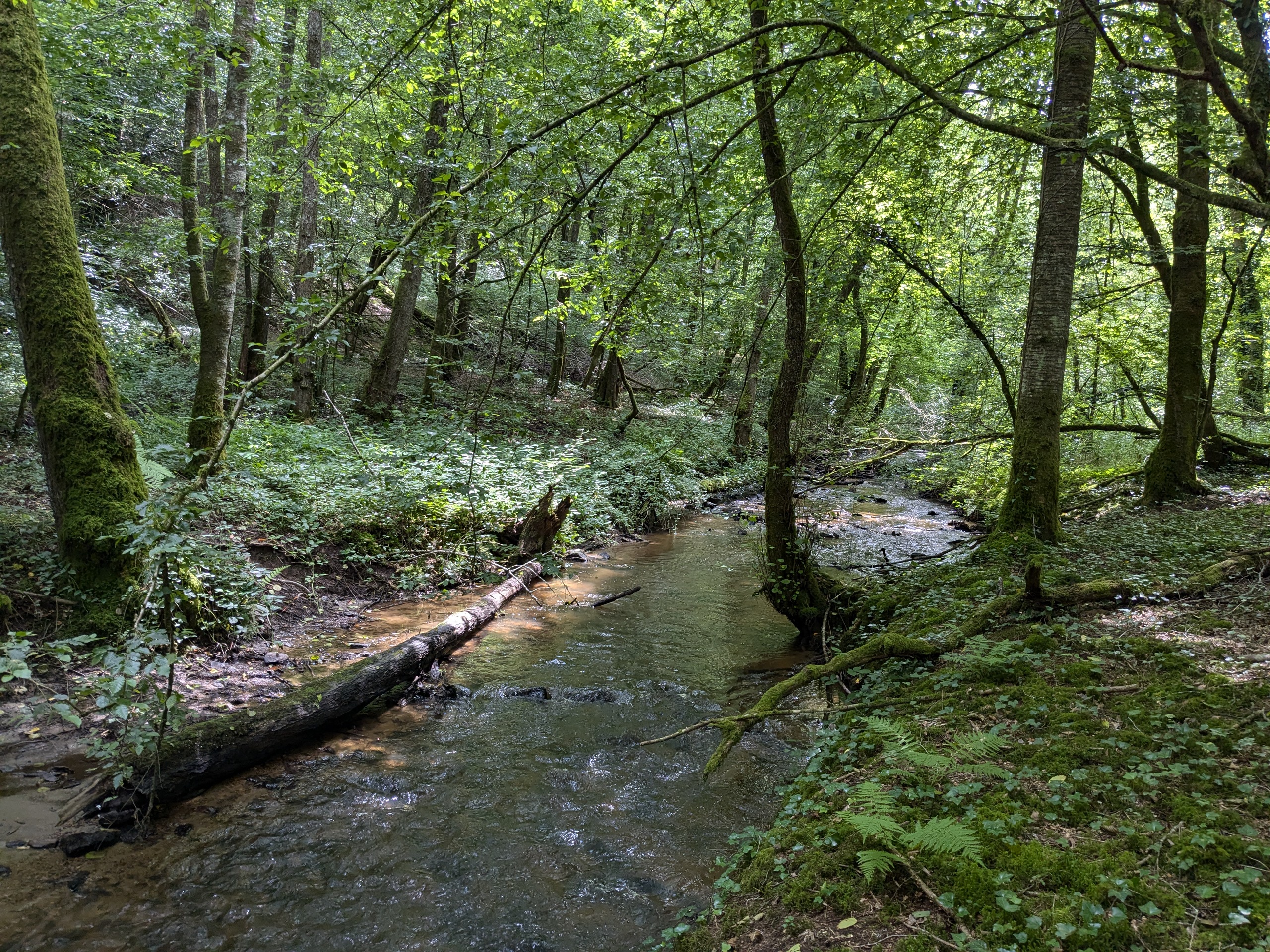
On the Vergnas stream, a tributary of the Vienne River, an old hydraulic structure is currently being removed to restore ecological continuity and strengthen the river’s resilience to climate change. This action, combines biodiversity restoration, sediment management and adaptation to increasingly severe low-flow conditions.
A stream with high ecological potential
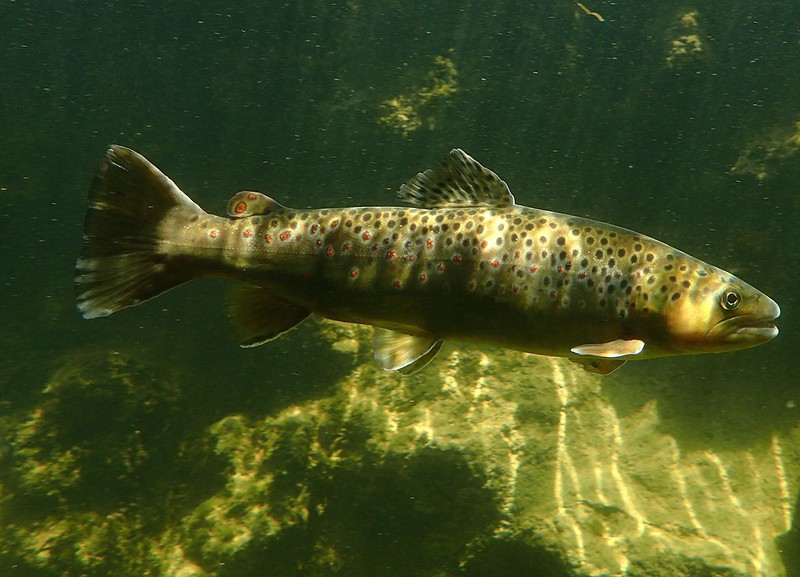
A tributary of the Vienne River, the Vergnas stream has strong ecological potential, particularly for the reproduction of brown trout (Salmo trutta fario). Its flow regime, including during low-flow periods, makes it a strategic environment in the context of climate change and declining summer discharges.
An inherited structure disrupting river functioning
An old hydraulic structure, inherited from past uses, disrupts the natural functioning of the watercourse. It constitutes an impassable obstacle for aquatic species, blocks sediment transport, and locally alters habitats, leading to upstream sediment accumulation and a break in ecological continuity.
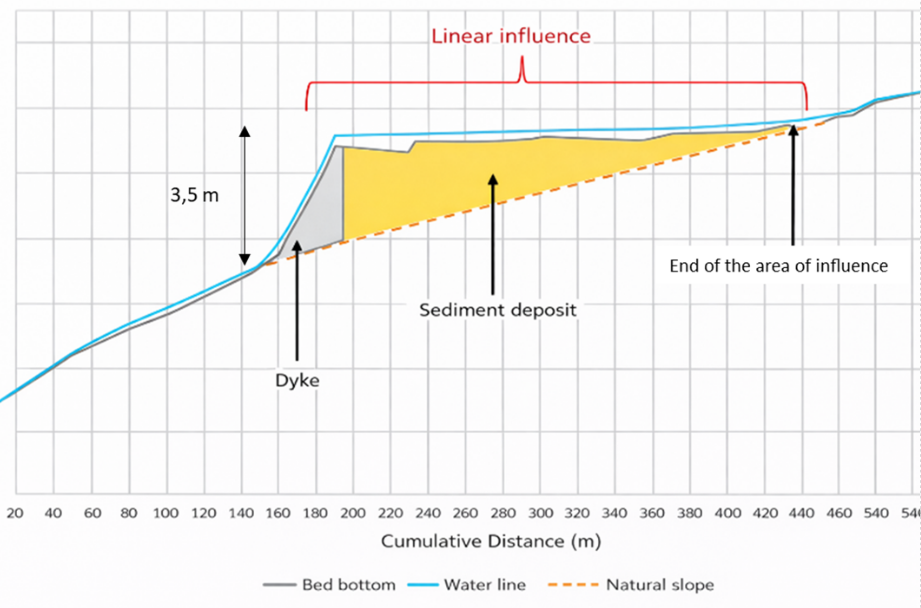
The Syndicat d’Aménagement du Bassin de la Vienne (SABV) commissioned the consultancy Eccel Environnement (LIEBIG Group) to define an appropriate removal protocol, balancing ecological restoration with the control of downstream environmental impacts.
Restoring natural dynamics and wetland habitats
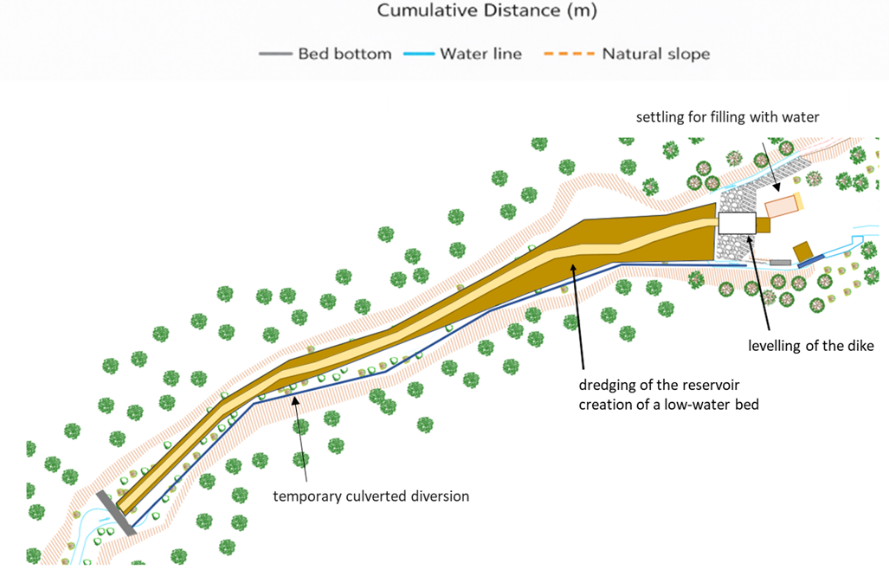
The project notably includes the isolation and removal of sediments, partial dismantling of the structure, and the restoration of the river to its natural channel.
The creation and maintenance of diverse wetland habitats will help preserve and enhance habitats for numerous aquatic and semi-aquatic species (fish, amphibians, invertebrates, odonates), while contributing to the overall ecological functionality of the site.
A concrete action in support of biodiversity, the restoration of natural river functions,
and the adaptation of territories