Nature-Based Solutions (“NBS”) are solutions that are inspired and supported by nature, which are cost-effective, simultaneously provide environmental, social and economic benefits and help build resilience. Such solutions bring more, and more diverse, nature and natural features and processes into cities, landscapes and seascapes, through locally adapted, resource-efficient and systemic interventions.
In NATALIE, more than 20 NBS are not only implemented at our 8 demo sites, but also monitored and evaluated as one of our main objective is to demonstrate their efficiency to address climate hazards and to increase the resilience of the territories. In addition, the implementation of some other NBS are also studied in out 4 replication sites (called follower sites), from an administrative, social acceptance, financial and technical point of view.
For each NBS, NATALIE partners have indicated maximum 3 out of the 12 societal challenge area identified by European Commission in this report « Evaluating The Impact Of Nature Based Solutions: A Handbook For Practitioners
Nature-Based Solutions (“NBS”) are solutions that are inspired and supported by nature, which are cost-effective, simultaneously provide environmental, social and economic benefits and help build resilience. Such solutions bring more, and more diverse, nature and natural features and processes into cities, landscapes and seascapes, through locally adapted, resource-efficient and systemic interventions.
In NATALIE, more than 20 NBS are not only implemented at our 8 demo sites, but also monitored and evaluated as one of our main objective is to demonstrate their efficiency to address climate hazards and to increase the resilience of the territories. In addition, the implementation of some other NBS are also studied in out 4 replication sites (called follower sites), from an administrative, social acceptance, financial and technical point of view.
For each NBS, NATALIE partners have indicated maximum 3 out of the 12 societal challenge area identified by European Commission in this report « Evaluating The Impact Of Nature Based Solutions: A Handbook For Practitioners

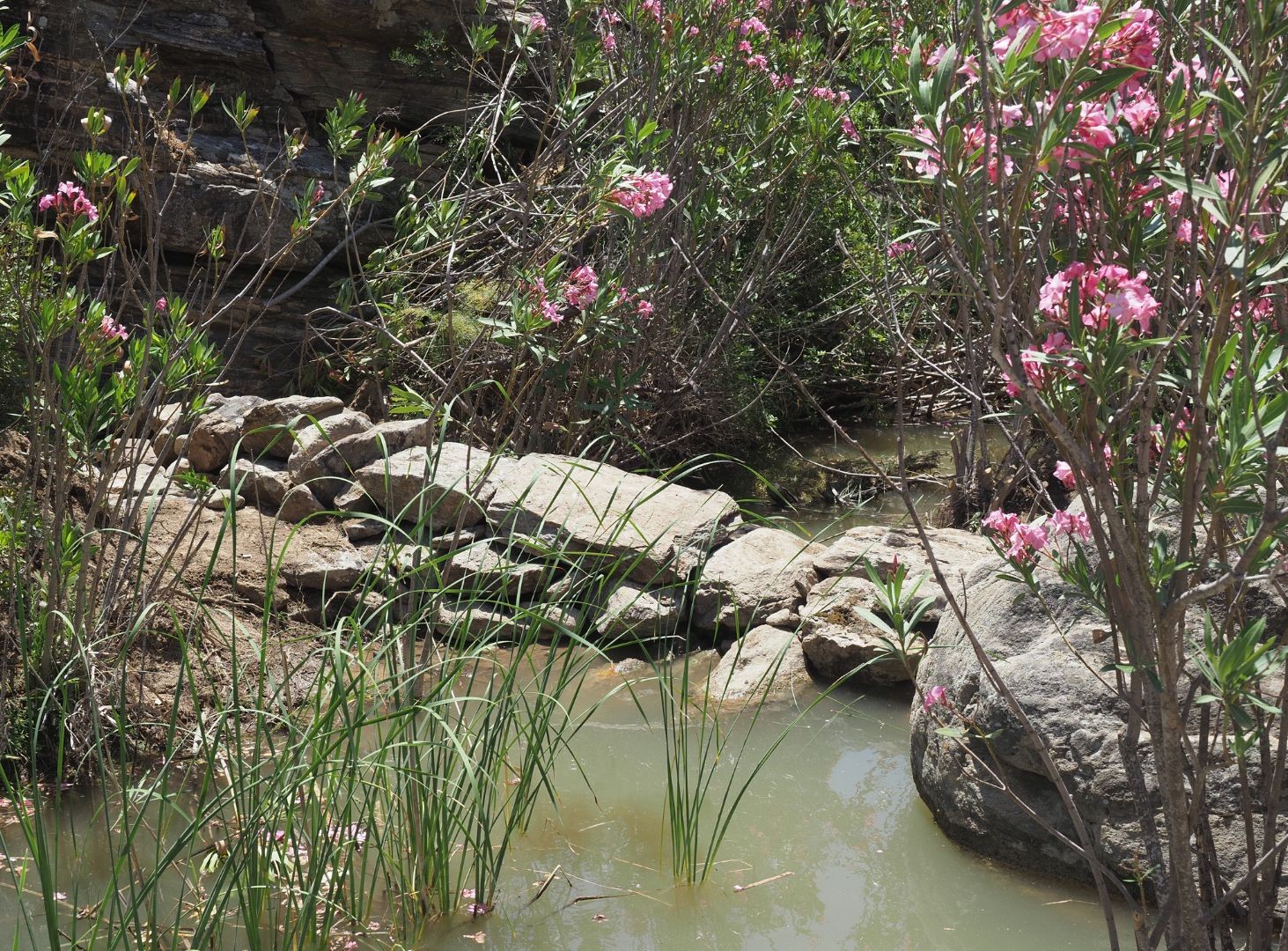
Construction of a minimum of 50 traditional check dams to reduce flood risk
in an ephemeral stream of Lilas river in Lelantine Plain, Evia island, Region of Central Greece, Greece
Traditional check dams in ephemeral streams reduce flood risk and help recharge groundwater. They also form small ponds that enhance biodiversity during the dry Mediterranean summers, when water is scarce.


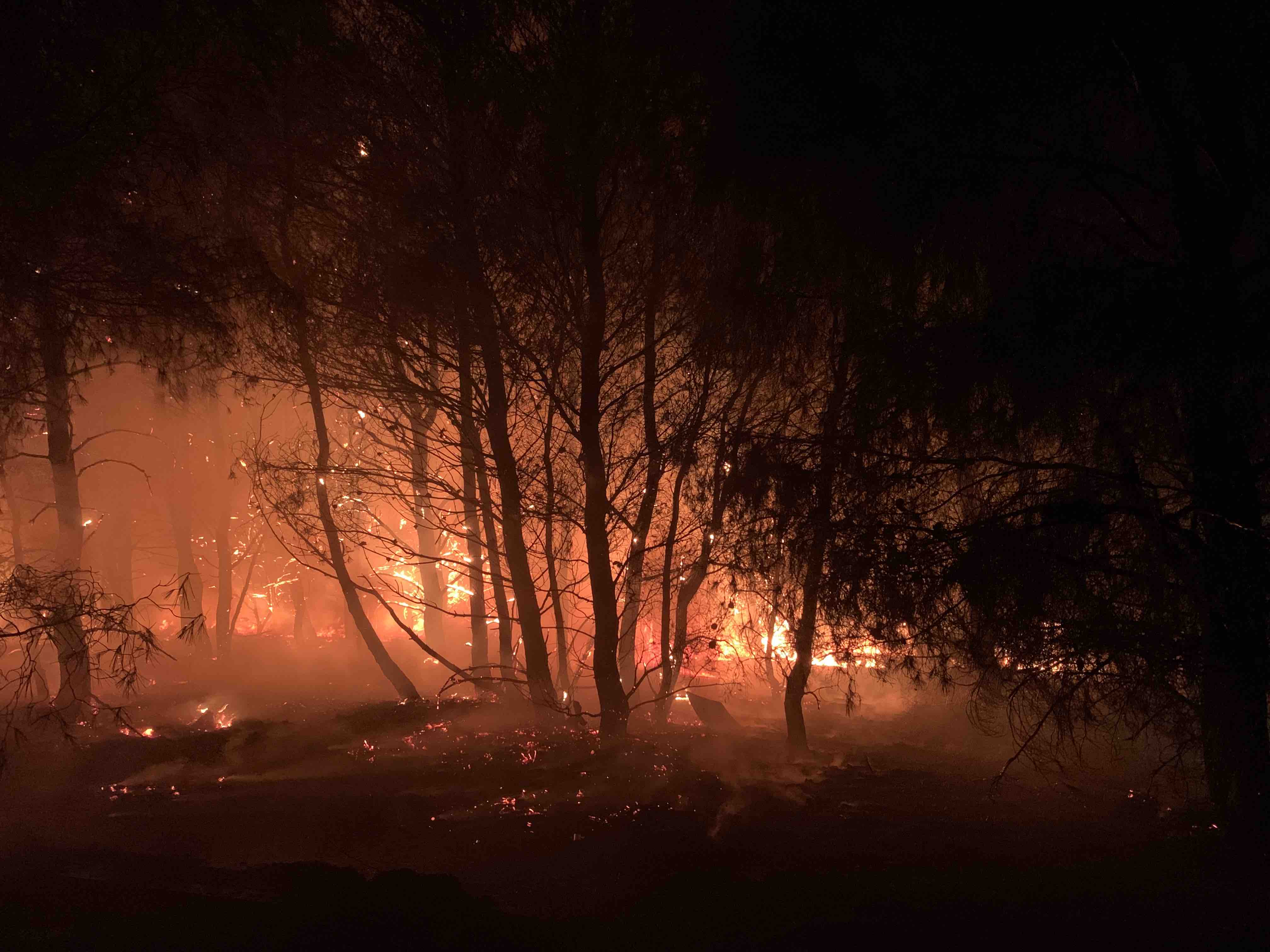
Implementation of prescribed burning to reduce wildfire risk
in selected areas in Lelantine Plain, Evia island, Region of Central Greece, Greece
Prescribed burning is the controlled use of fire to manage forest fuel. It reduces wildfire risk, recycles nutrients, controls invasive species and plant diseases and enhances biodiversity, protecting both people and ecosystems.
Development of a Fire Risk Management Plan for wildfire prevention
for the Municipality of Chalkis in Evia island, Region of Central Greece, Greece
Fire Risk Management Plans help municipalities design wildfire prevention actions by identifying vulnerabilities, highlighting priorities for decision-making, enabling long-term planning and providing documentation for fundraising.


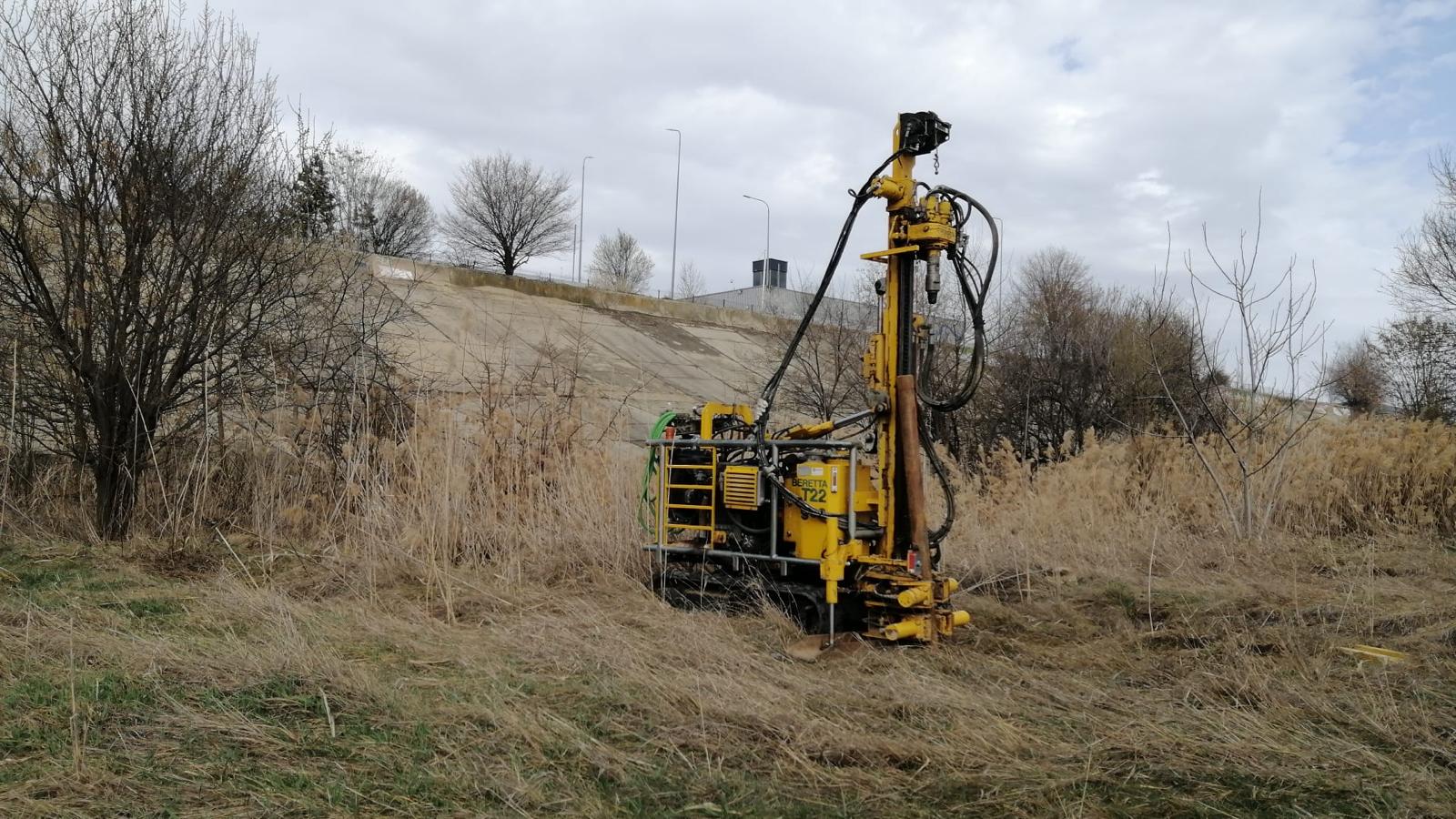
Rainwater biofiltration and controlled discharge into the urban parc
Văcărești Nature Park (IUCN - V), Bucharest, Bucharest - Ilfov Region, Romania
The measure aims to use rainwater to restore wetland areas affected by aridification in the Văcărești Nature Park. This involves collecting rainwater from outside the park, biofiltration, and controlled pumping into designated retention areas.
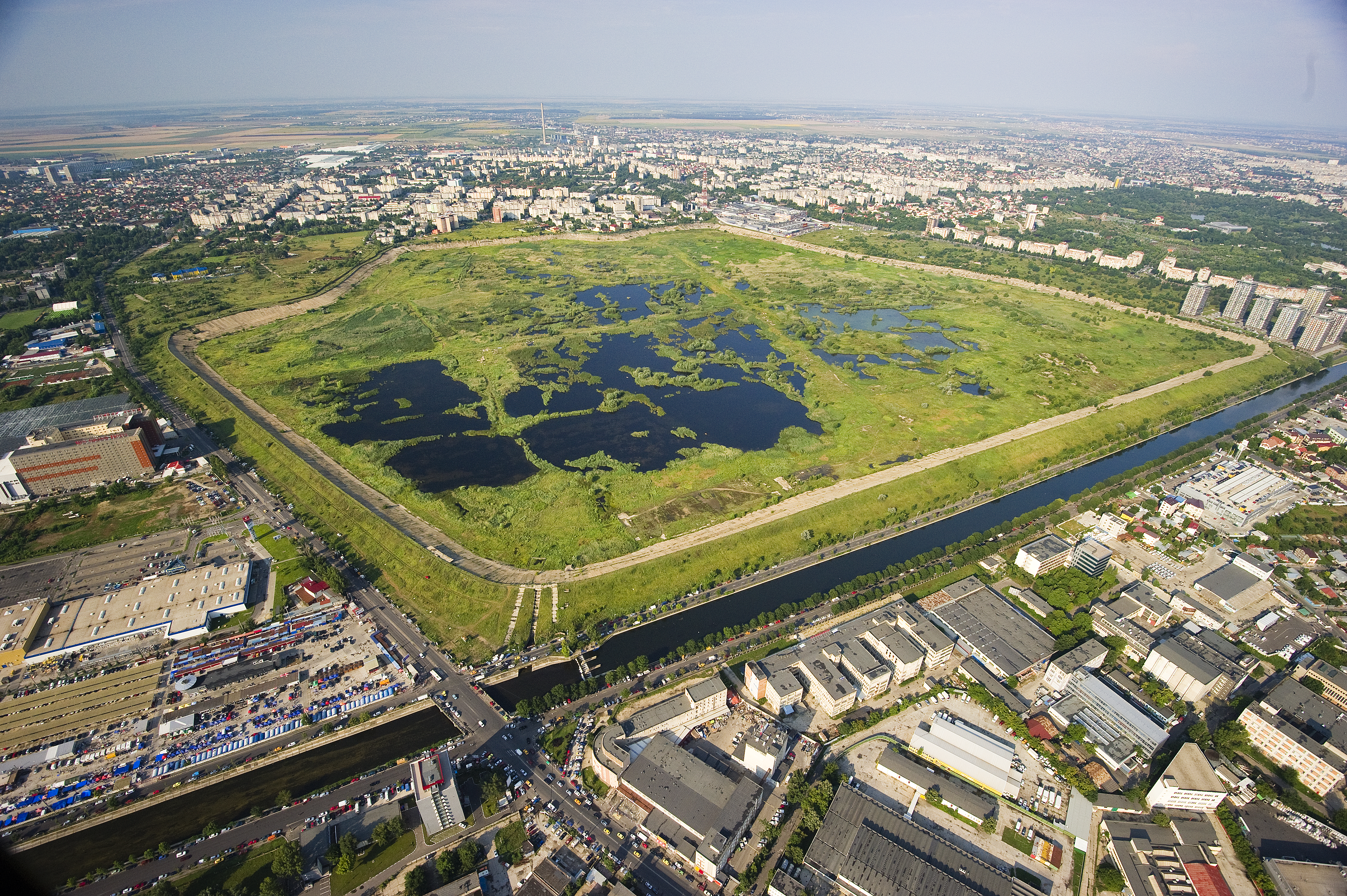
Connecting Văcărești Nature Park to Bucharest’s Green-Blue Infrastructure
Bucharest, Bucharest - Ilfov Region, Romania
The measure aims to develop a public proposal through which the Văcărești Nature Park becomes better connected to the city’s green-blue infrastructure.
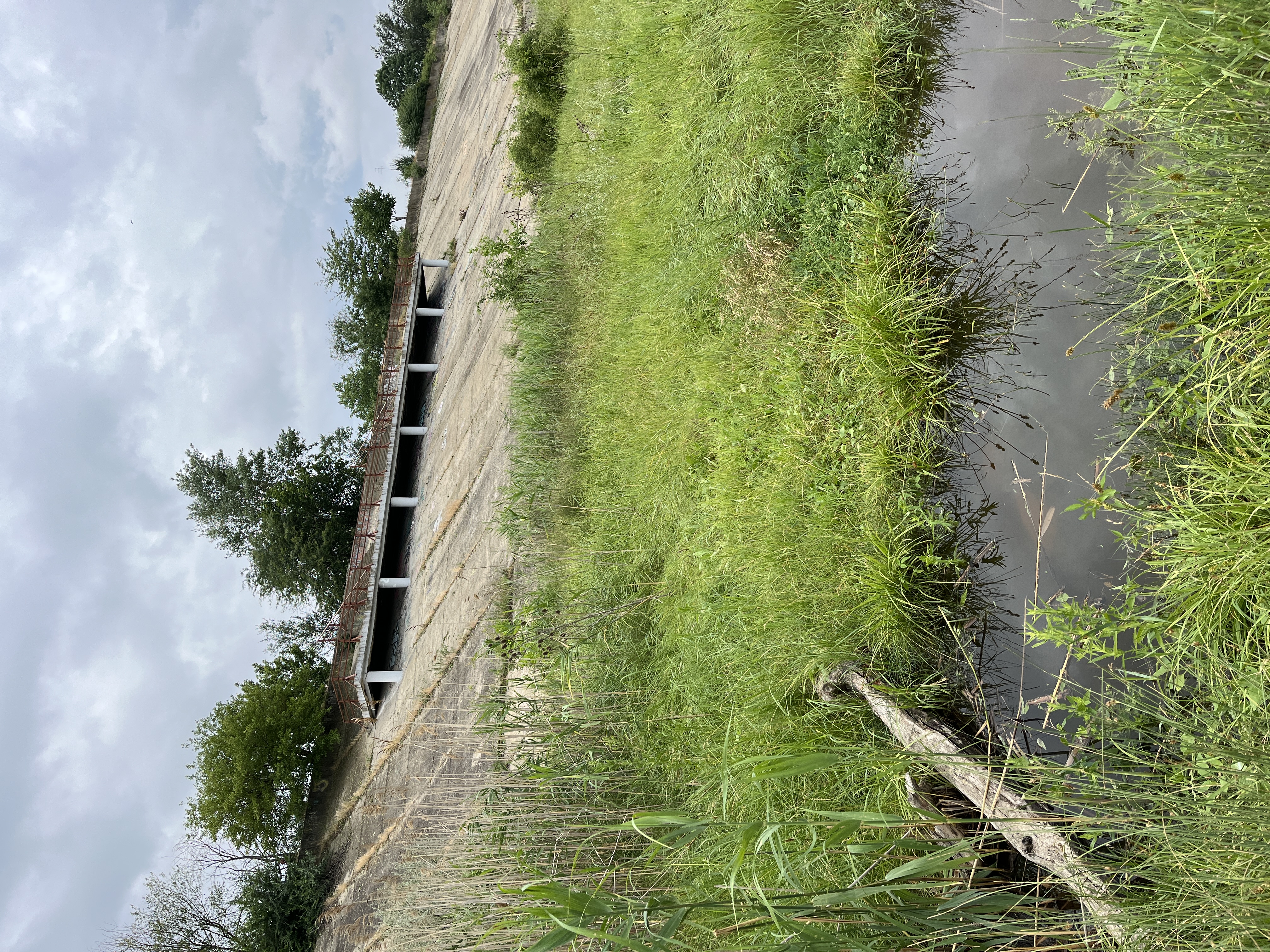
Restoration of Temporary Pond Network in a urban park
Văcărești Nature Park, Bucharest, continental region, Romania
The measure aims to restore amphibian habitat areas that Văcărești Nature Park has lost in recent years. This will be achieved through the use of rainwater. The underlying assumption is that the measure will lead to an increase in the number of amphibians, and possibly even to the reappearance of species that once existed in the park.
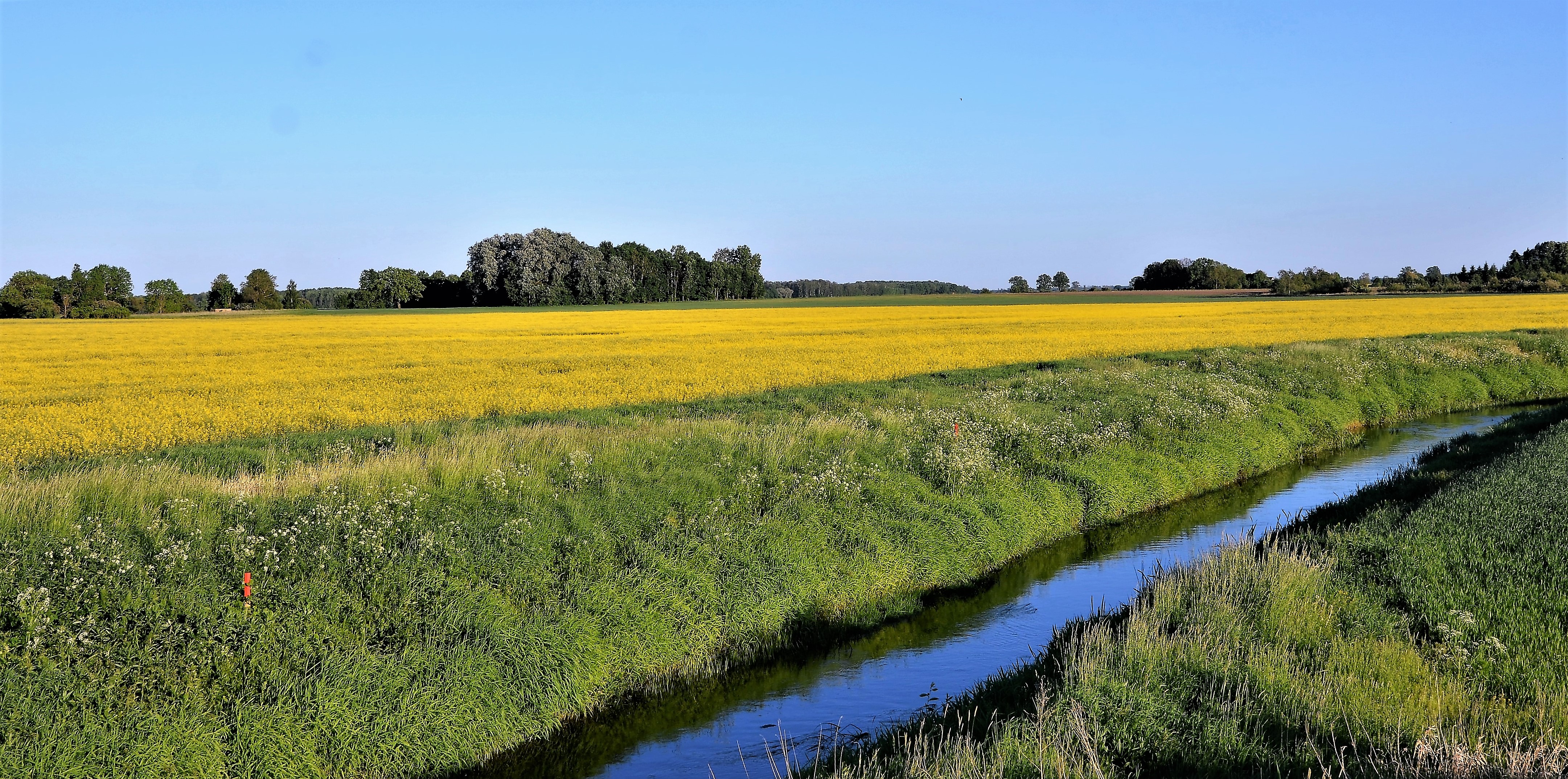
Constructed wetlands for treatment of diffuse pollution from agricultural fields
Zemgale region, Latvia
A surface flow constructed wetland designed to capture drainage water from the upstream agricultural areas and retain sediment and nutrients before water enters the receiving water course. It consists of two sections - deep for water retention and sedimentation, and shallow with natural or planted vegetation.
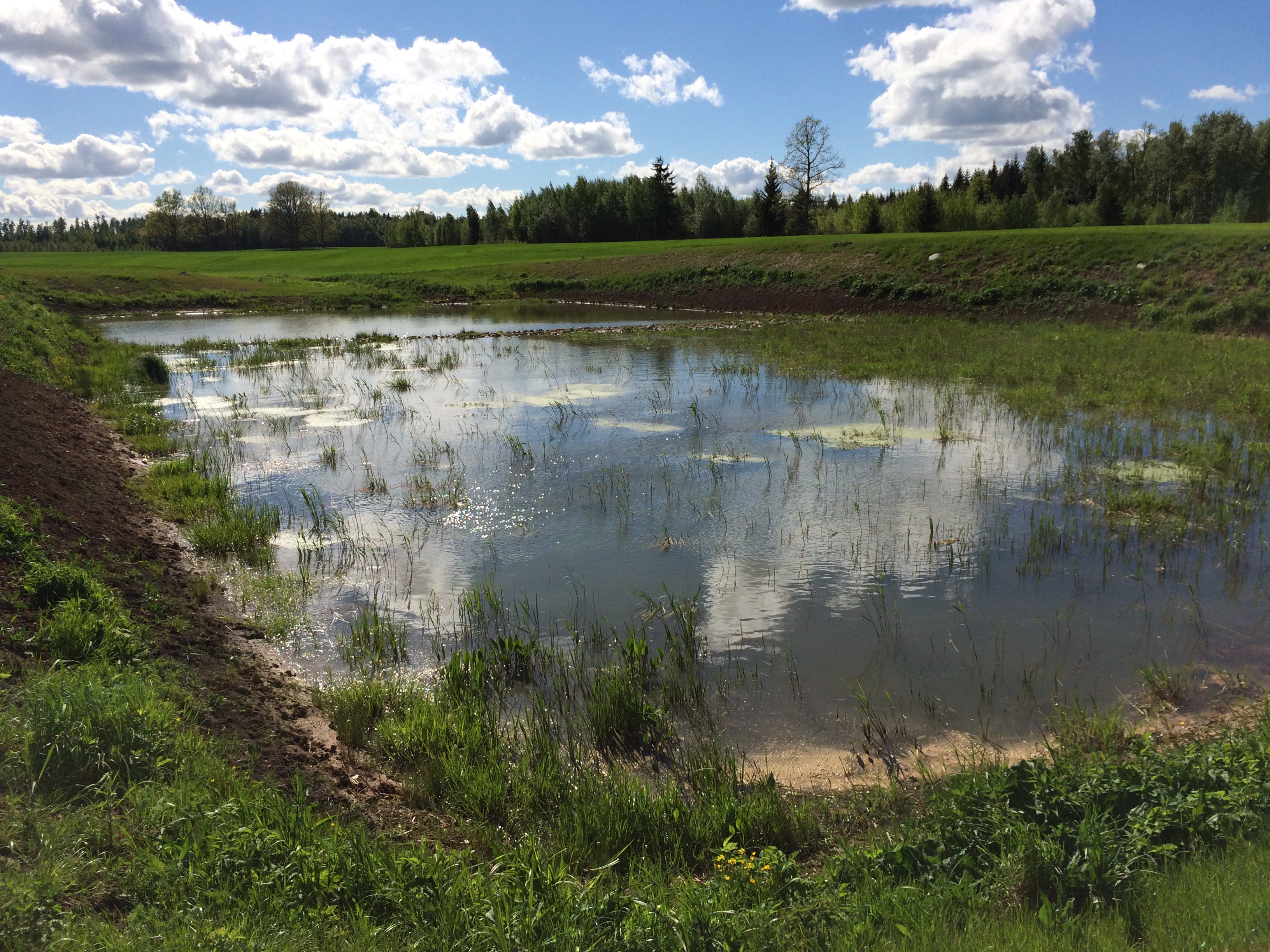
Constructed wetlands for treatment of point source pollution from domestic wastewater treatment plants at small settlements
Zemgale region, Latvia
A horizontal subsurface flow constructed wetland designed to replace existing biological wastewater treatment plant with aeration and activated sludge. It contains a bed with an impermeable layer to prevent seepage, porous media, and vegetation.
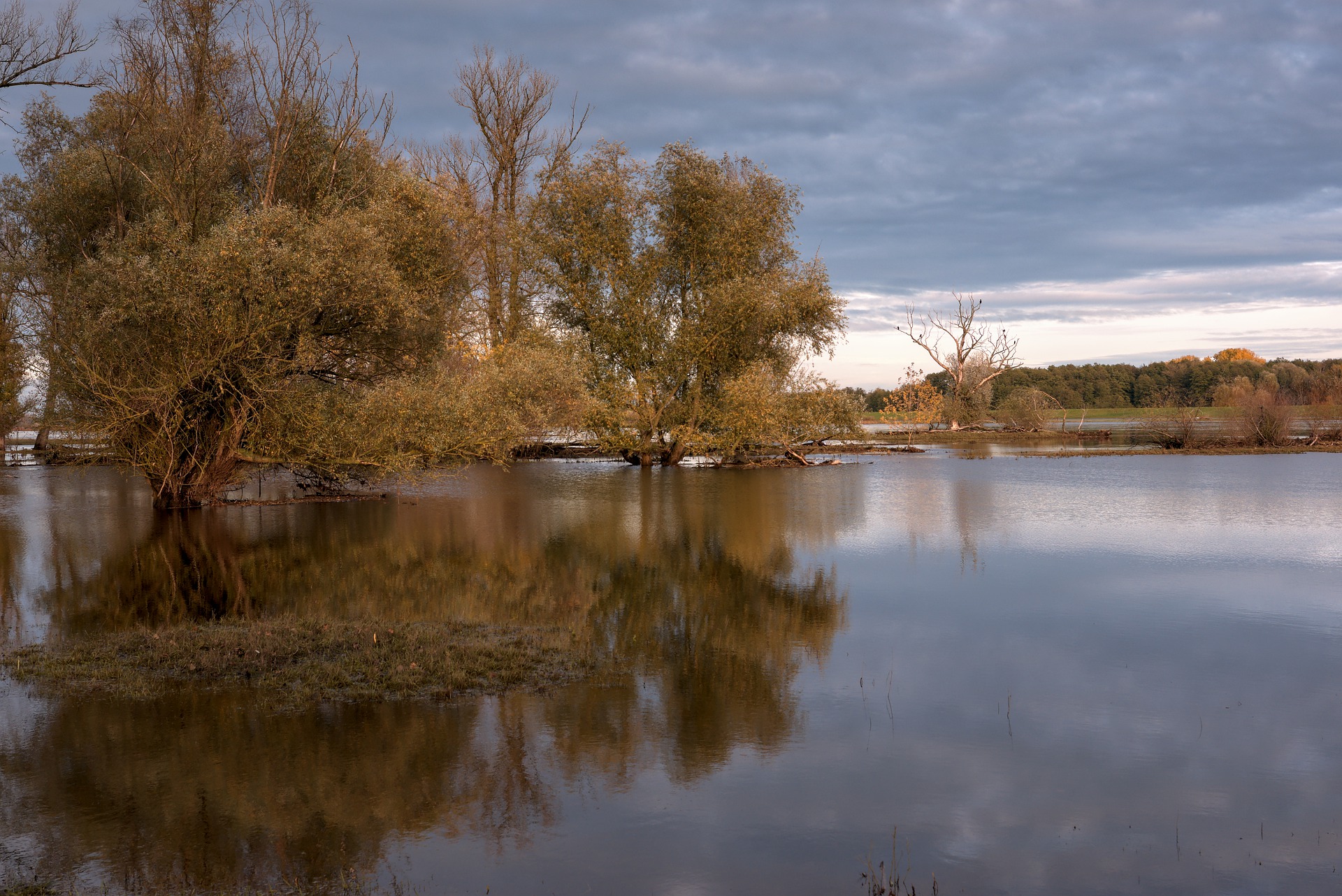
Constructed wetlands for treatment of pollution from combined sources of storm water and wastewater at livestock facilities
Zemgale region, Latvia
A vertical subsurface flow constructed wetland is a part of the existing storm water and domestic wastewater management system at the livestock facility. It contains a bed with an impermeable layer to prevent infiltration, porous media, and vegetation.
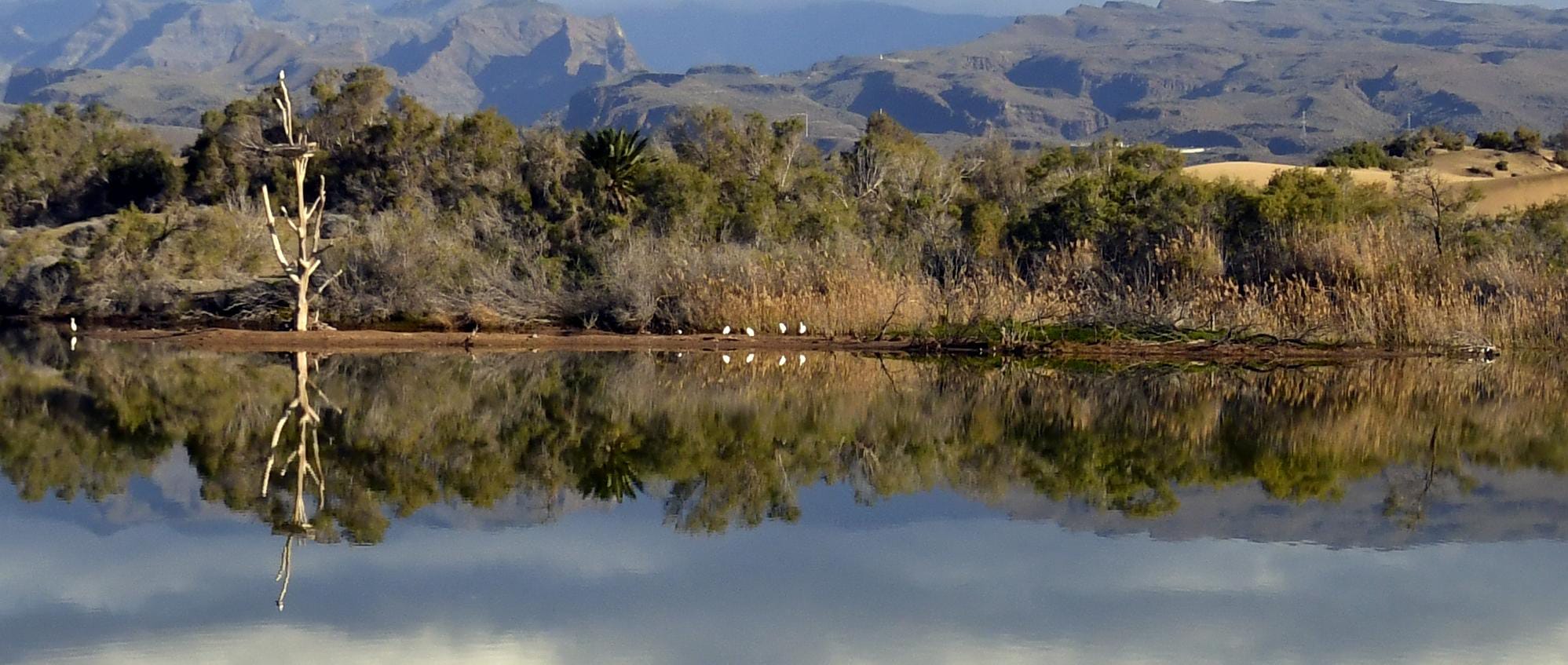
Sustainable Drainage Systems (SUDS): infiltration trenches and a Bioretention system to mitigate the risk of pollution in the Maspalomas pond
in Maspalomas (Gran Canaria), Canary Islands, Outermost region, Spain
A bioretention system designed to capture stormwater runoff and combined sewer overflow, treating and filtering contaminants to prevent pollution of the Maspalomas pond and safeguard the surrounding aquatic ecosystem.
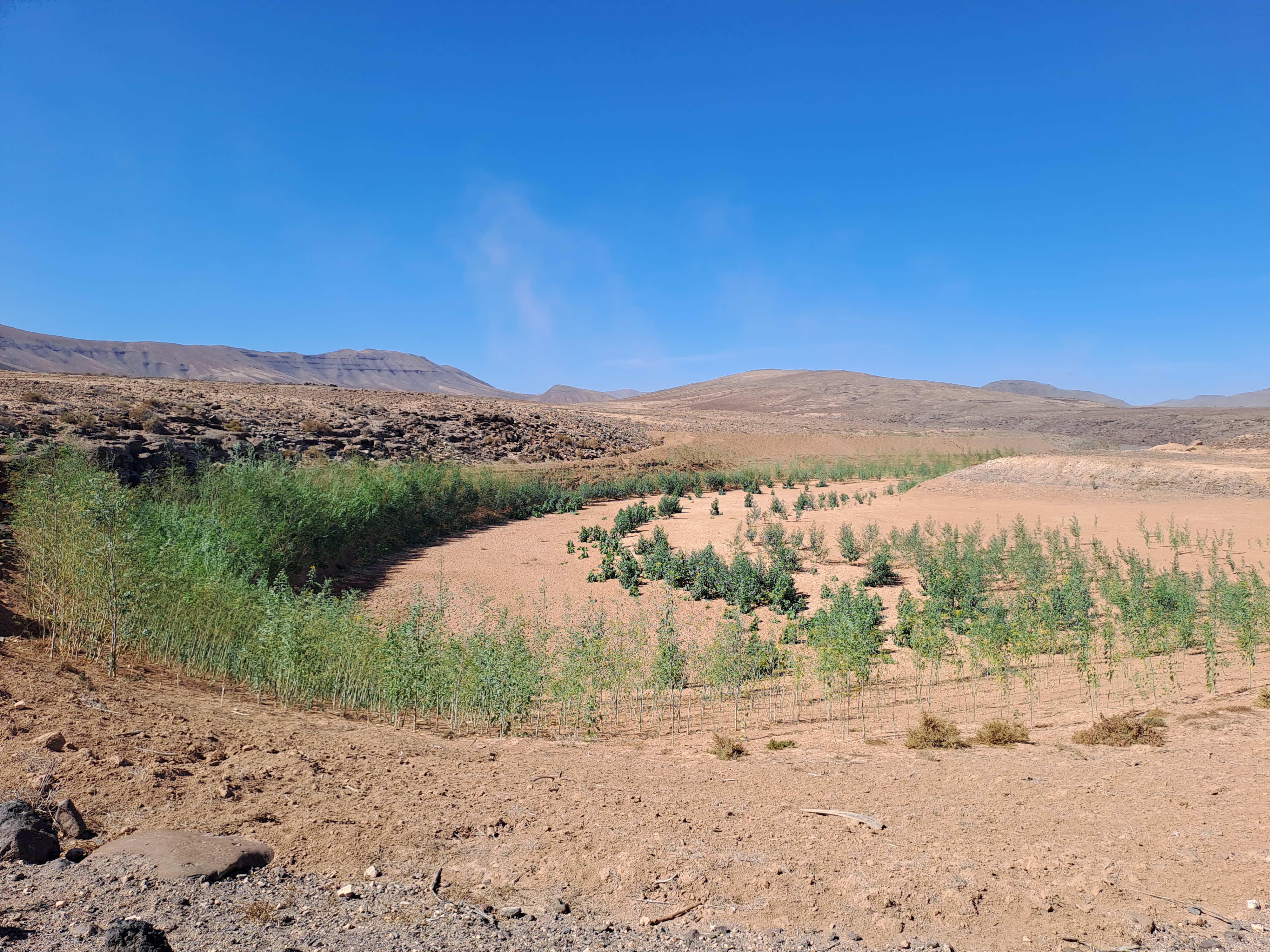
Natural treatment systems of wastewater (with constructed wetlands)
in Fuerteventura, Canary Islands, Outermost region, Spain
Fire Risk Management Plans help municipalities design wildfire prevention actions by identifying vulnerabilities, highlighting priorities for decision-making, enabling long-term planning and providing documentation for fundraising.
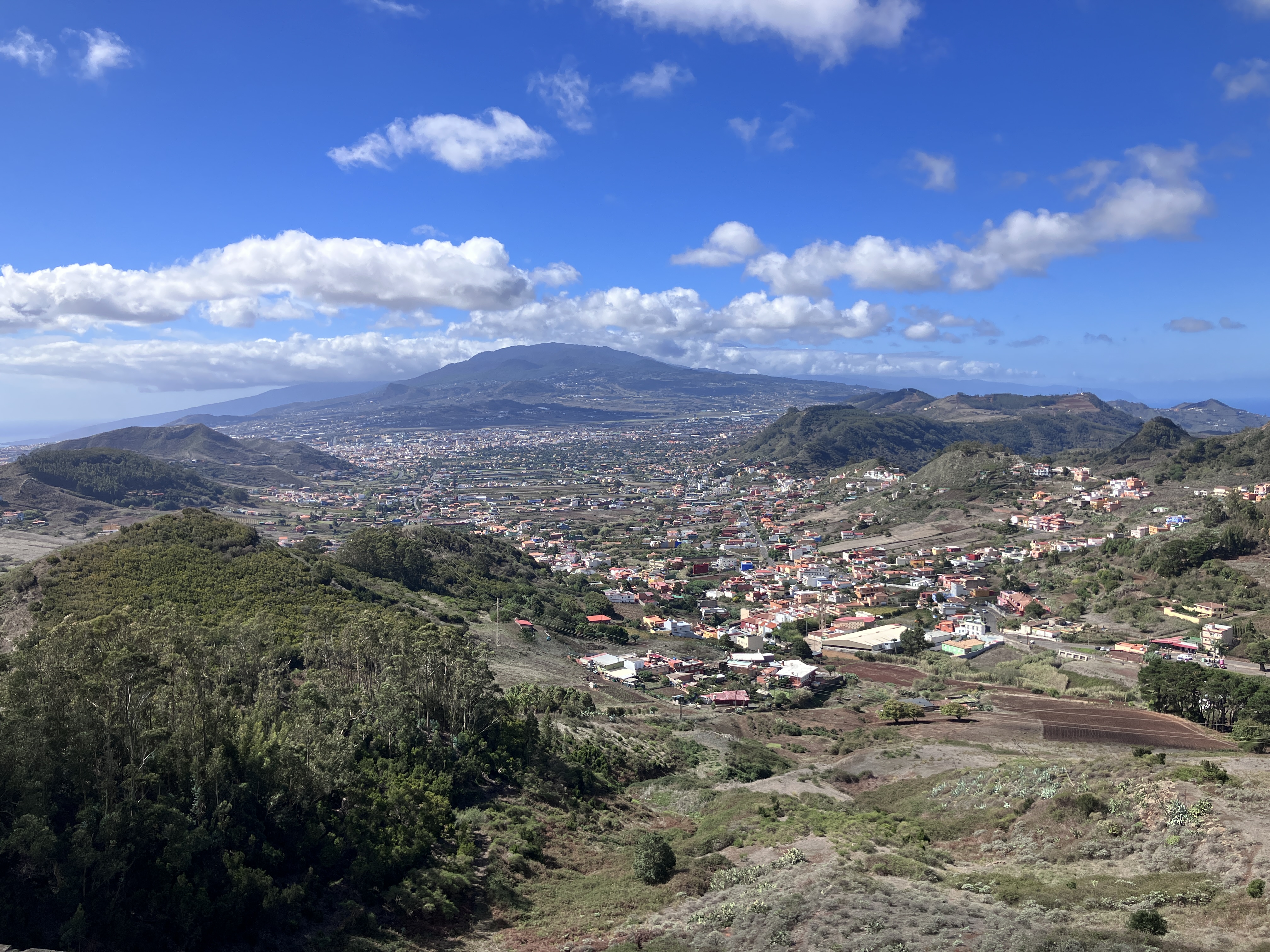
Urban wetland to mitigate the risk of urban flooding
in Tenerife, Canary islands, Outermost Region, Spain
An urban wetland to mitigate flood risk during intense rainfall by managing surface water when high groundwater levels and saturated soils limit infiltration, enhancing stormwater retention and reducing runoff to prevent urban flooding.
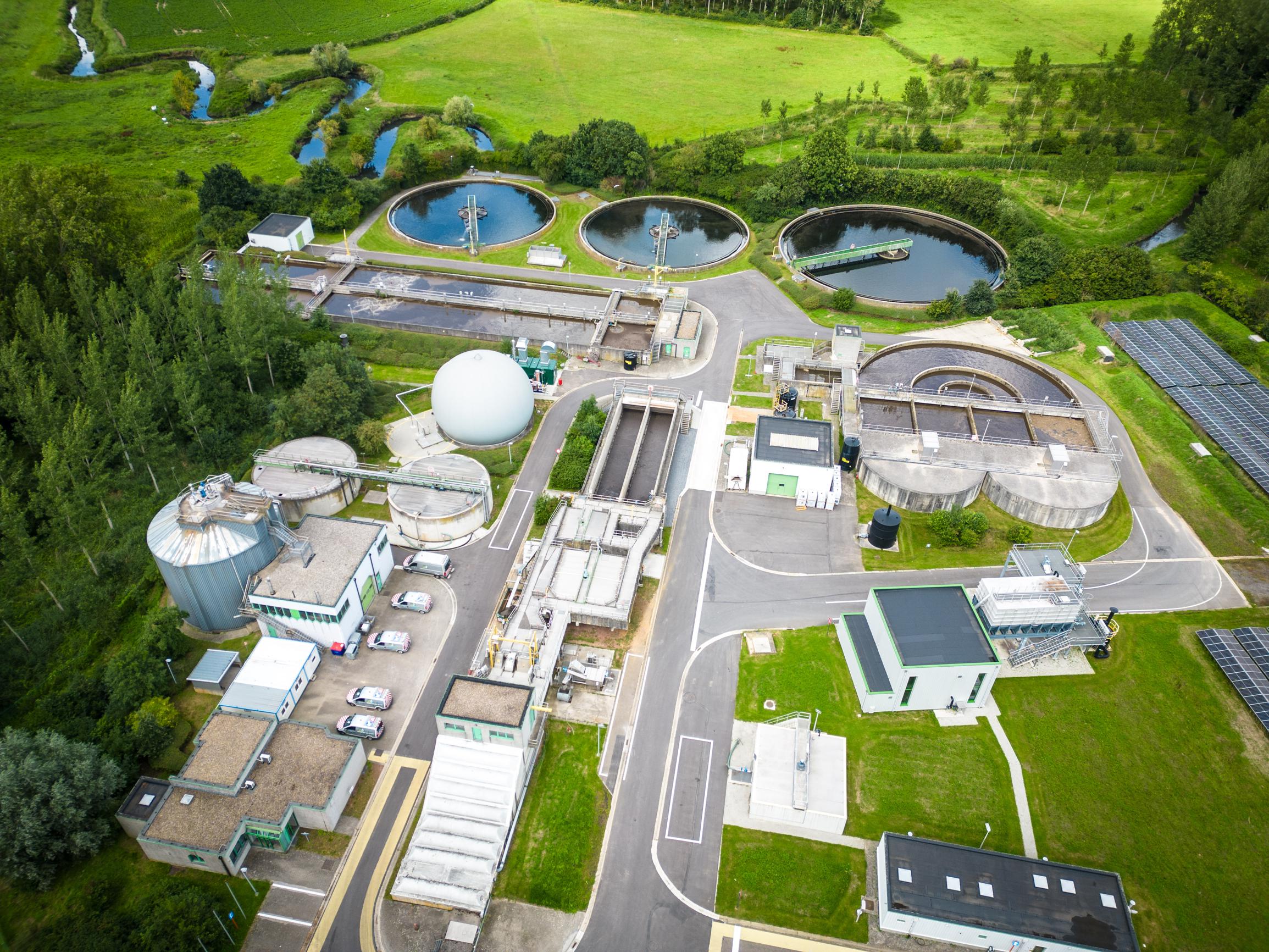
Groundwater model to simulate indirect reuse
Blue Horizon Limburg (Sint-Truiden WWTP), Flanders, Belgium
Simulating indirect reuse as an alternative water source by injecting water into a cretaceous aquifer acting as a reservoir. The injected water is enriched with minerals in the aquifer rendering a water quality fit for drinking water production.
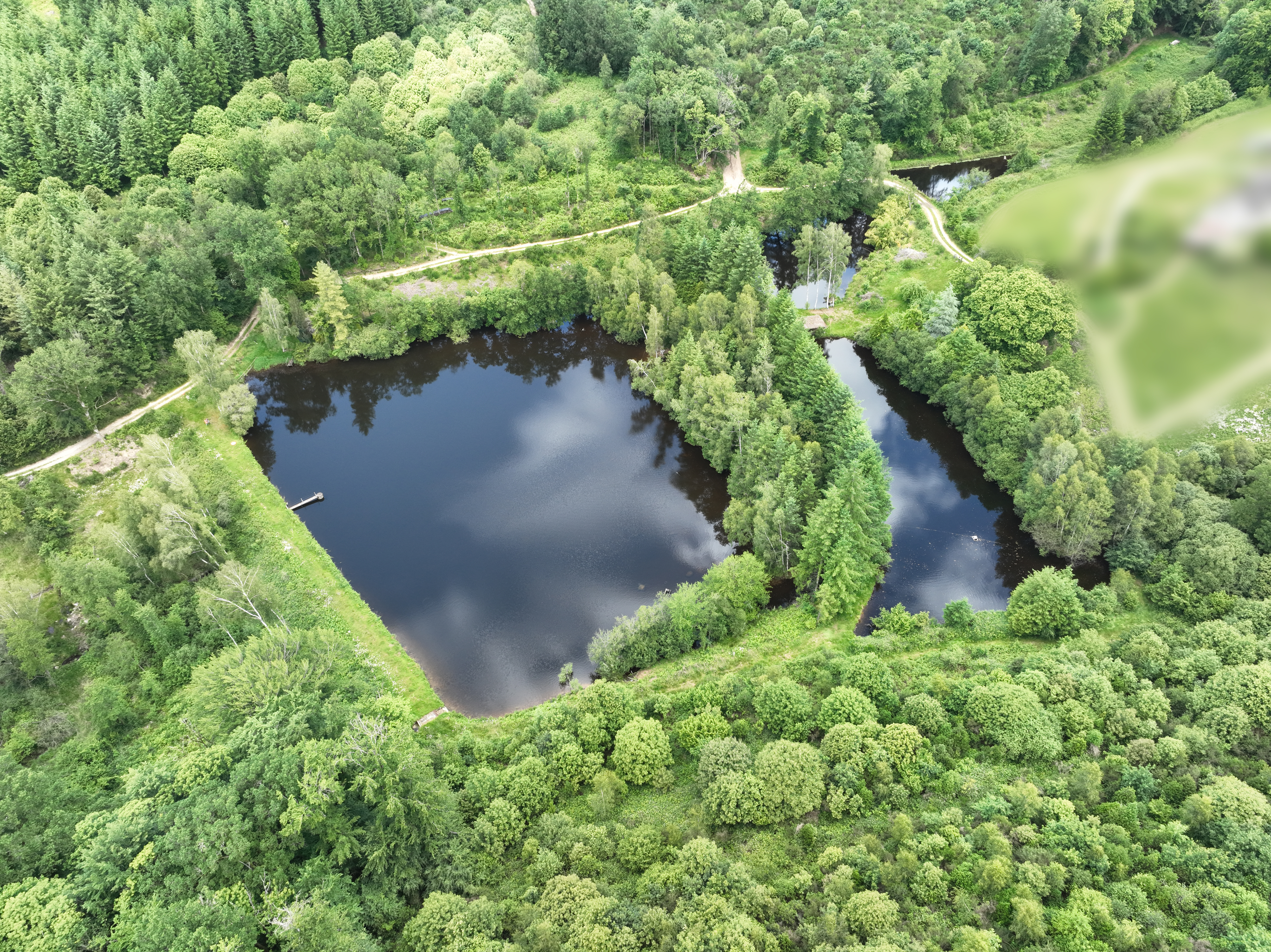
Removal of ponds built as dams for water flow recovering
Vienne River basin, Nouvelle-Aquitaine region, France
Restoring watercourses by removing ponds built as dams allows to reduce evaporation, increase flows and reinstate ecological continuity. High stakes as ponds’ over-evaporation in Vienne River basin is estimated equalled to drinking water withdrawals.
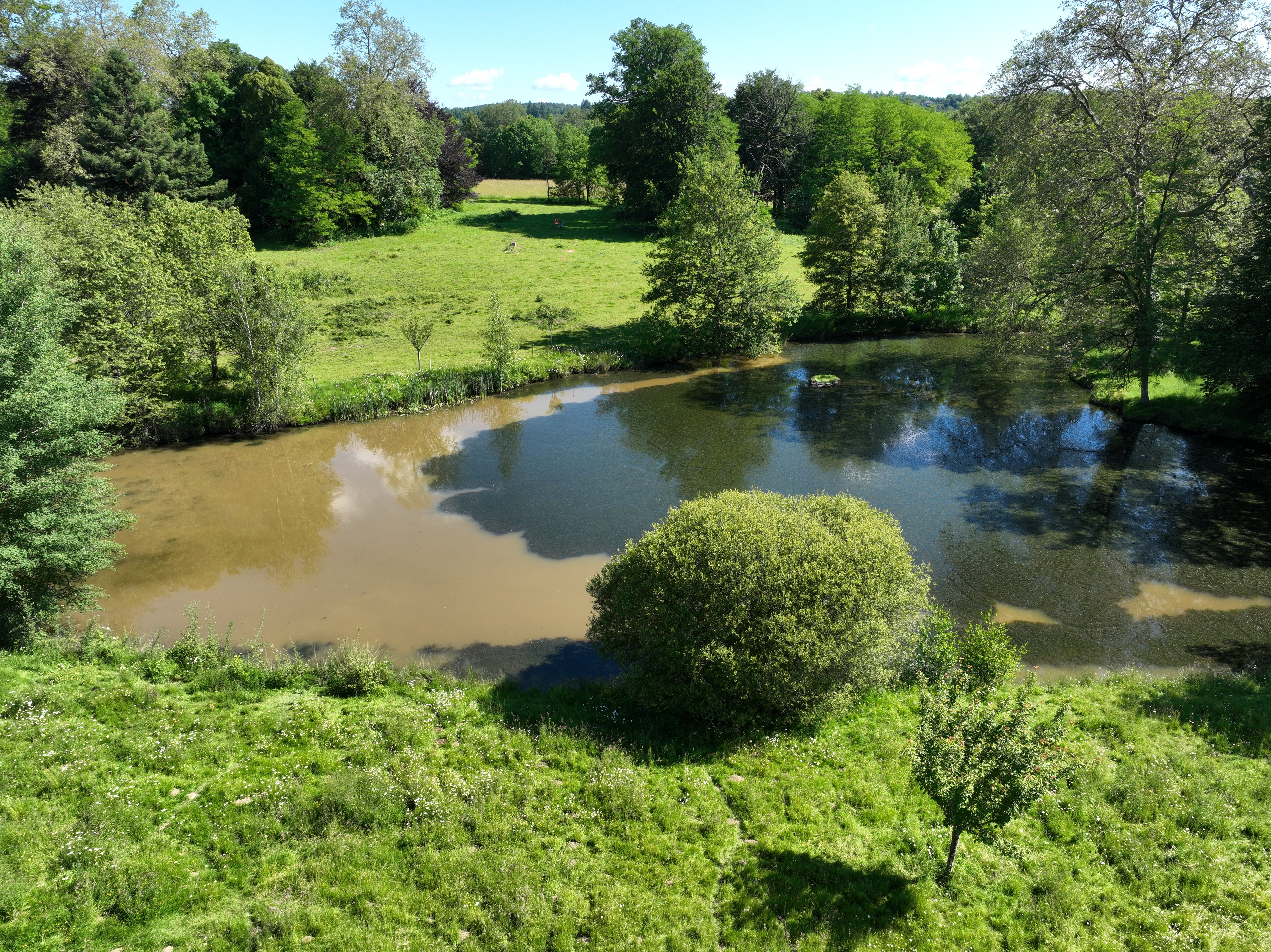
Drains neutralisation in wetlands for water flow recovering
Vienne River basin, Nouvelle-Aquitaine region, France
In the Vienne River basin, ditches are used to drain wetlands to exploit it. Plugging ditches slows down water flow and improves water storage and quality, making the water cycle more resilient to climate change and maintaining a rich biodiversity.
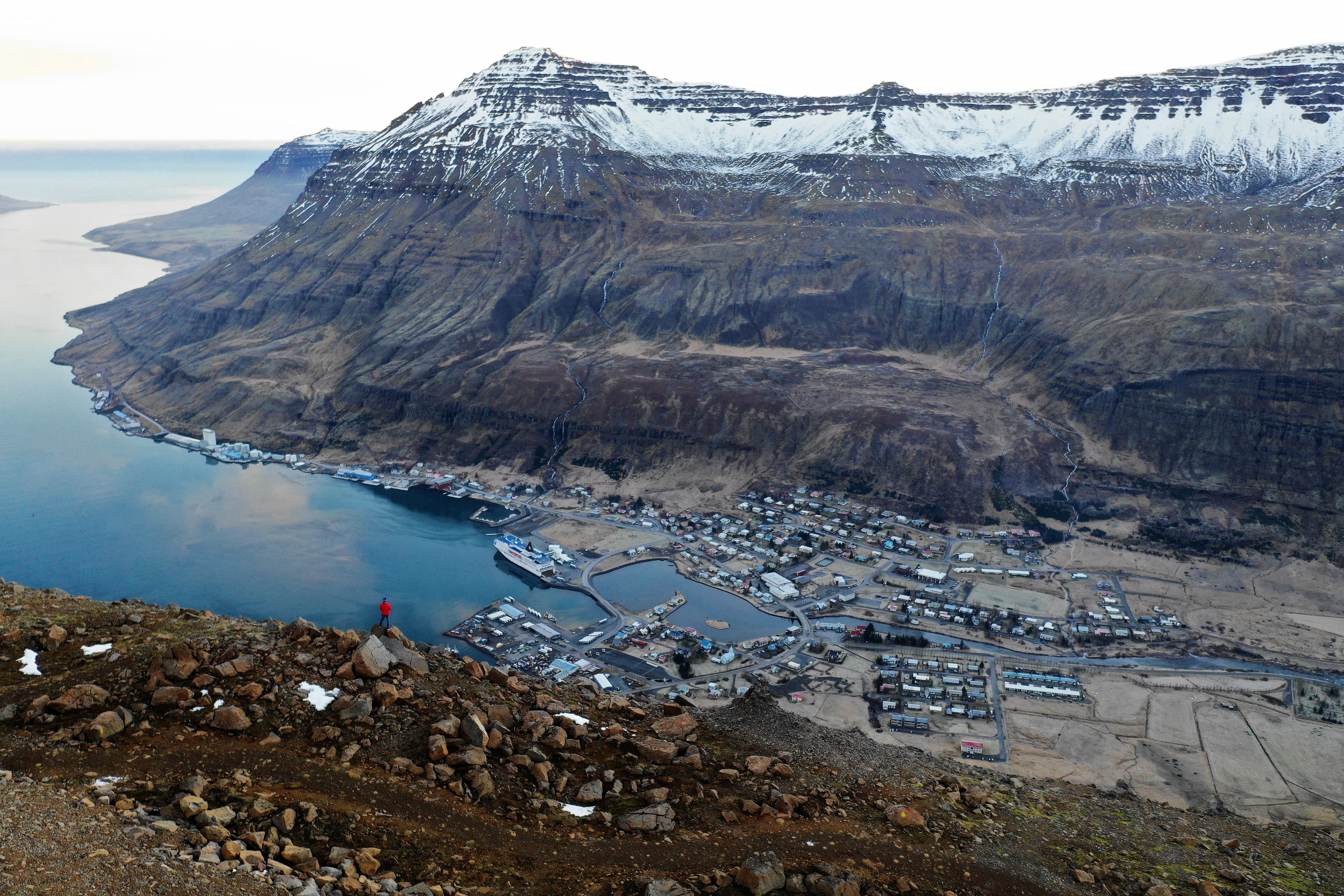
Afforestation/Reforestation and Bioengineering methods to prevent landslides
6 arctic rural coastal fjords, Eastern Region, Iceland
Reforestation or afforesting areas, with native Icelandic Birch and Willow, could help stabilise slopes. Roots bind the soil, improve water infiltration and remove invasive species. Investigated bioengineering methods included crib walls and gabions.
Constructed Wetlands and Integrated Multi Trophic Aquaculture to fight algae blooms
6 arctic rural coastal fjords, Eastern Region, Iceland
IMTA reduces nutrients and organic matter from aquaculture by combining economically viable species from multiple trophic levels. Constructed VF or HF systems can serve as secondary wastewater treatment to further reduce nutrient flow into fjords.
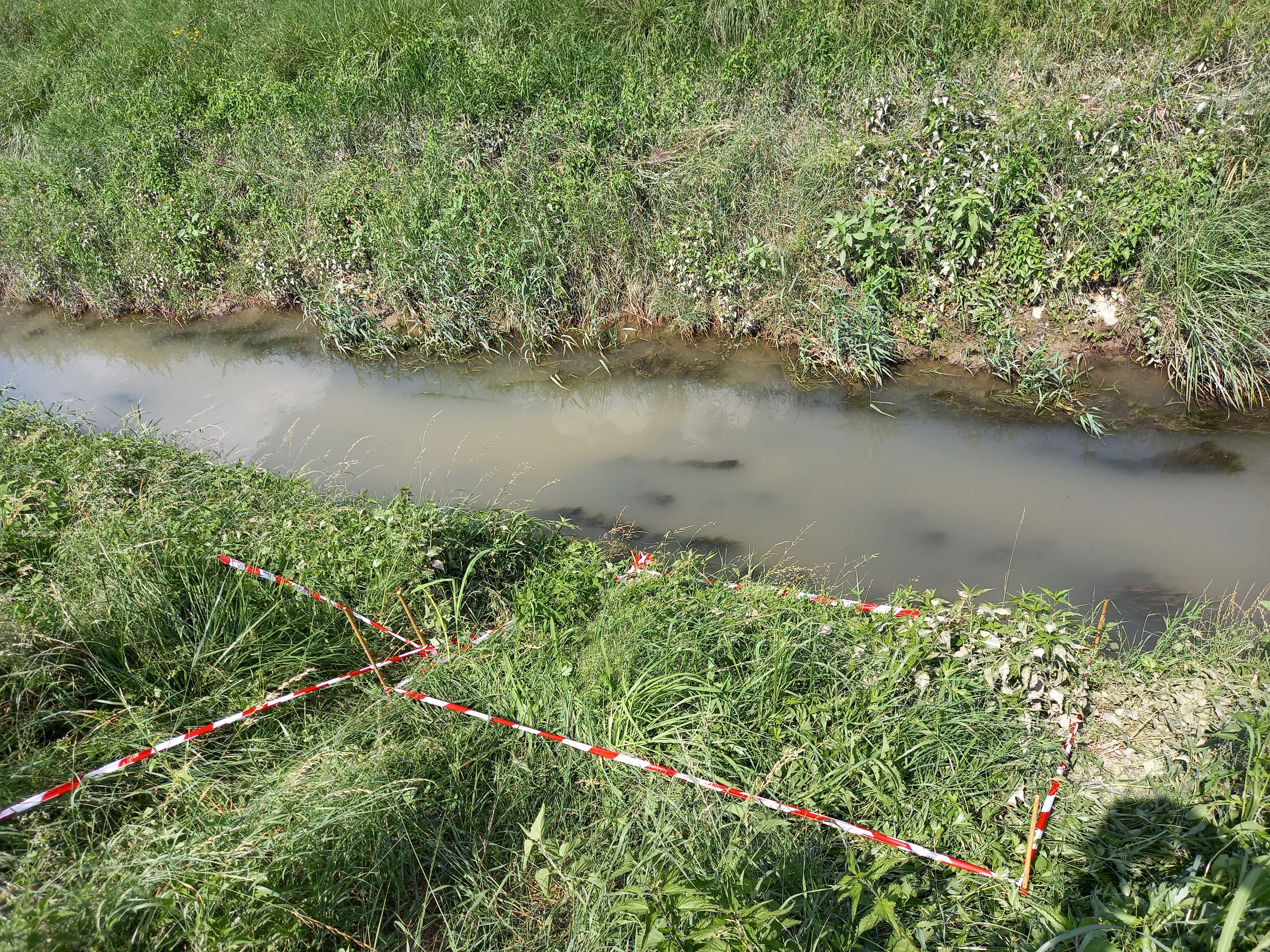
Selective maintenance of riparian vegetation
Venice’s drainage basin, Veneto region, Italy
Selective maintenance maintains a strip of uncut grass at the riverbank base to reduce erosion and increase biodiversity while ensuring water flow. The ecological performance will be monitored and analyzed.
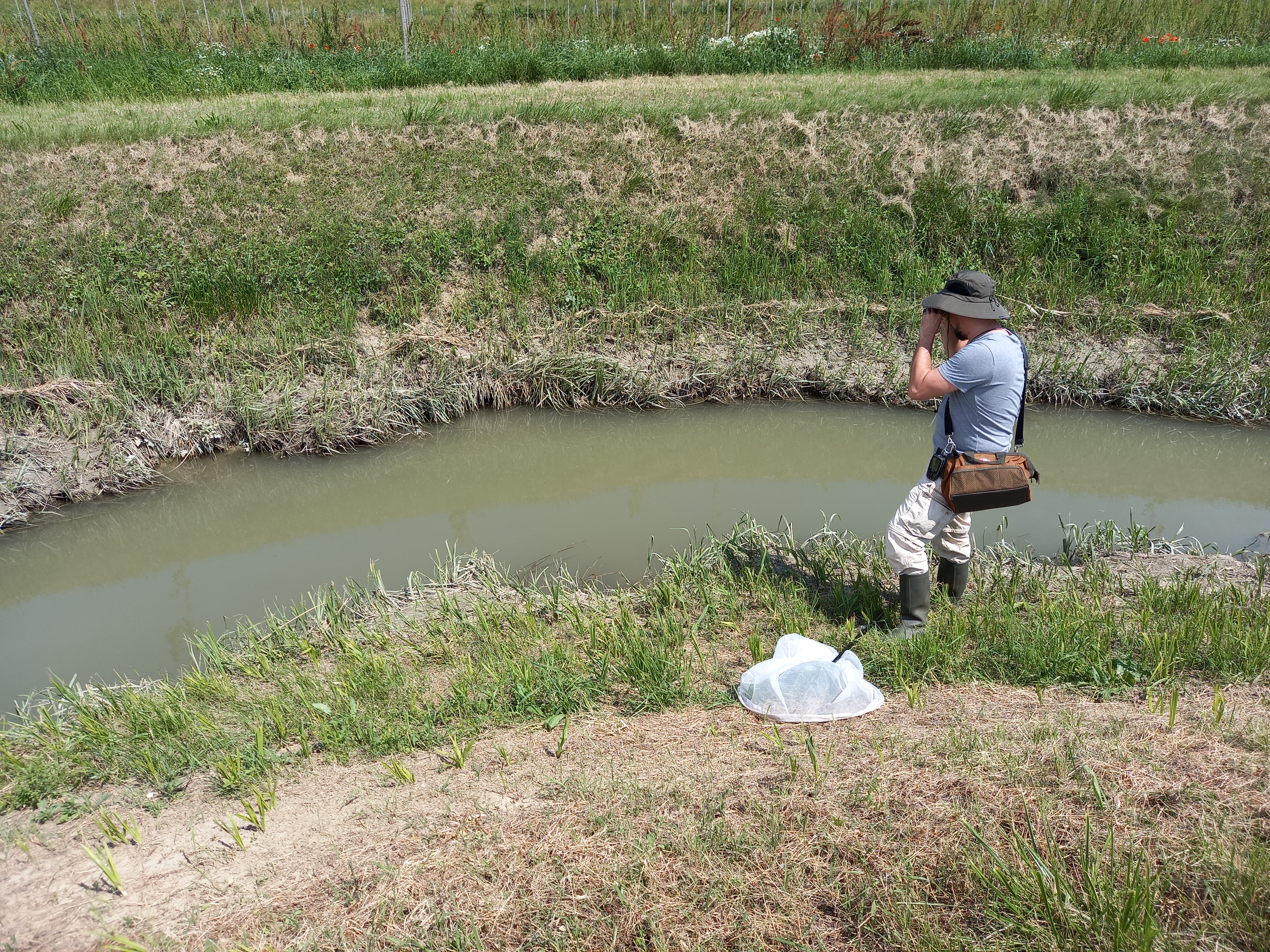
Renaturalized riverbanks
Venice’s drainage basin, Veneto region, Italy
This measure will be assessed for its potential to improve habitat connectivity when scaled up, contributing to a regional blue-green ecological network.
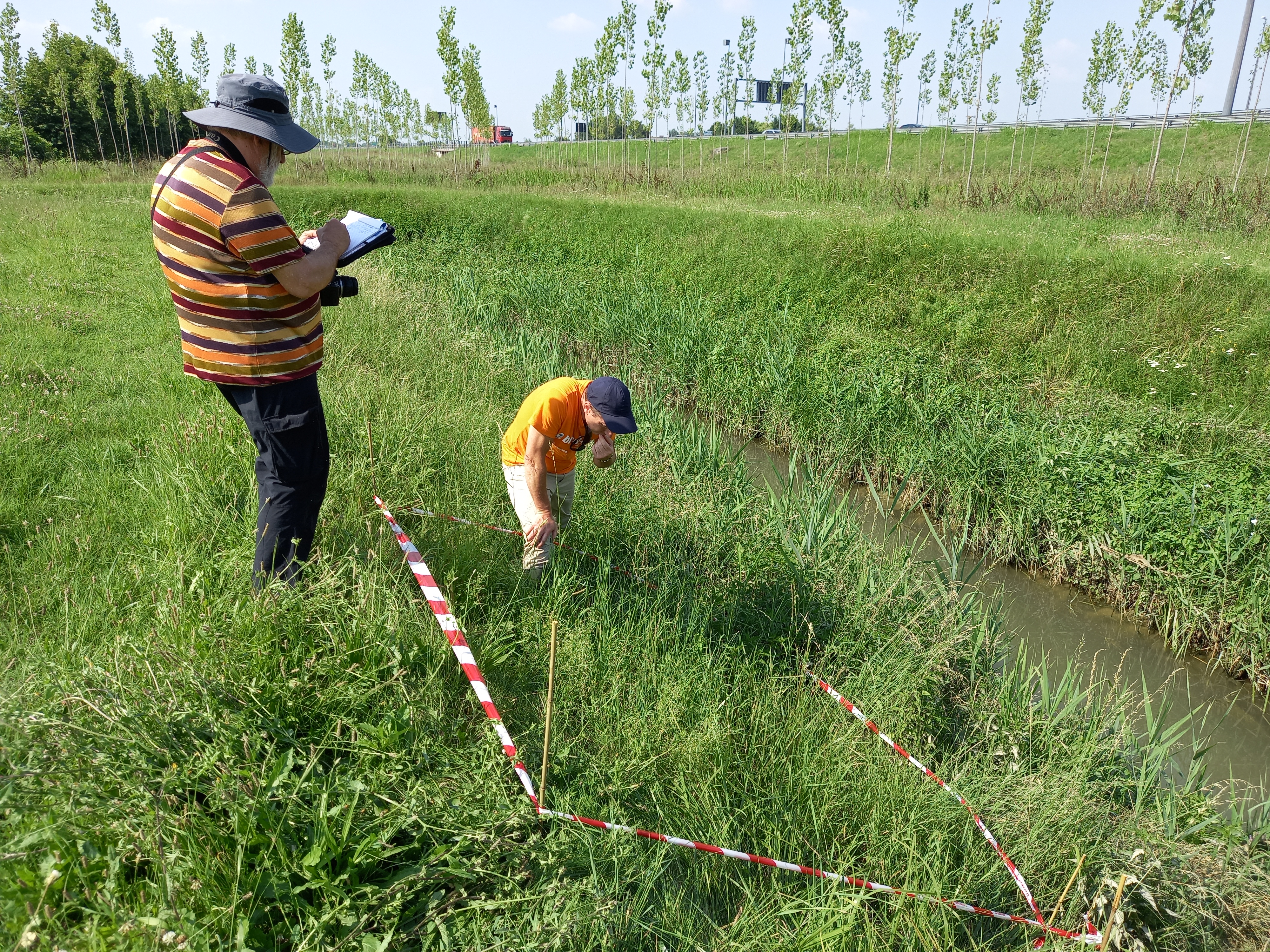
Riverbank extension and vegetation-based restoration
Venice's drainage basin, Veneto region, Italy
Re-profiling of canal banks to prevent soil landslides, replacing conventional hard engineering solutions with sustainable, low-impact ones. The widening of riparian zones is accompanied by the planting of native vegetation that, while stabilizing the soil, delivers multiple co-benefits.
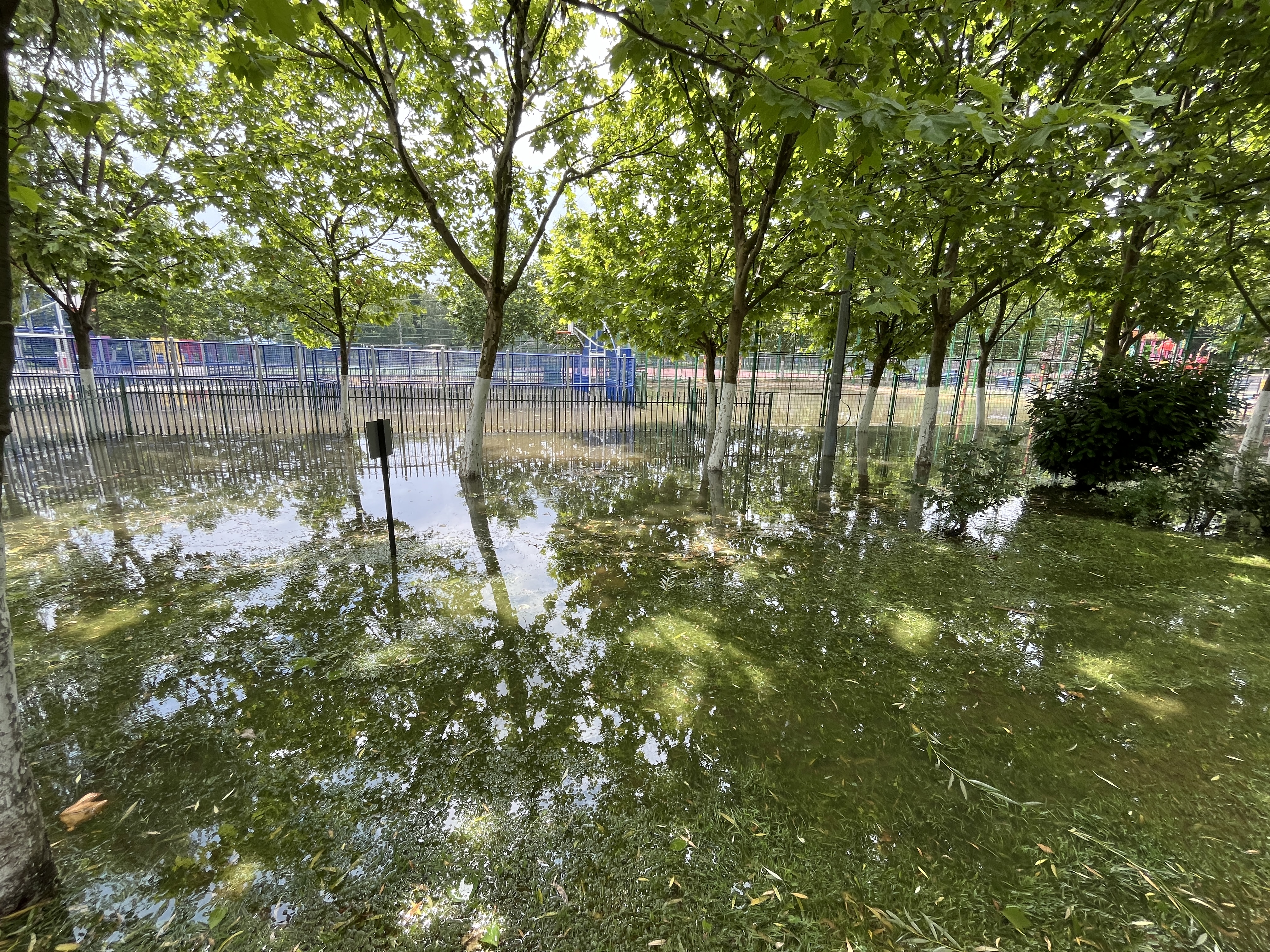
Building a wetland area in an urban park to mitigate flood risk and enhance community resilience
Childern's World Park, Bucharest, Bucharest - Ilfov region, Romania
Through this measure, we aim to develop a project for creating a wetland area that can absorb rainwater which currently floods certain parts of the Children’s World Park.
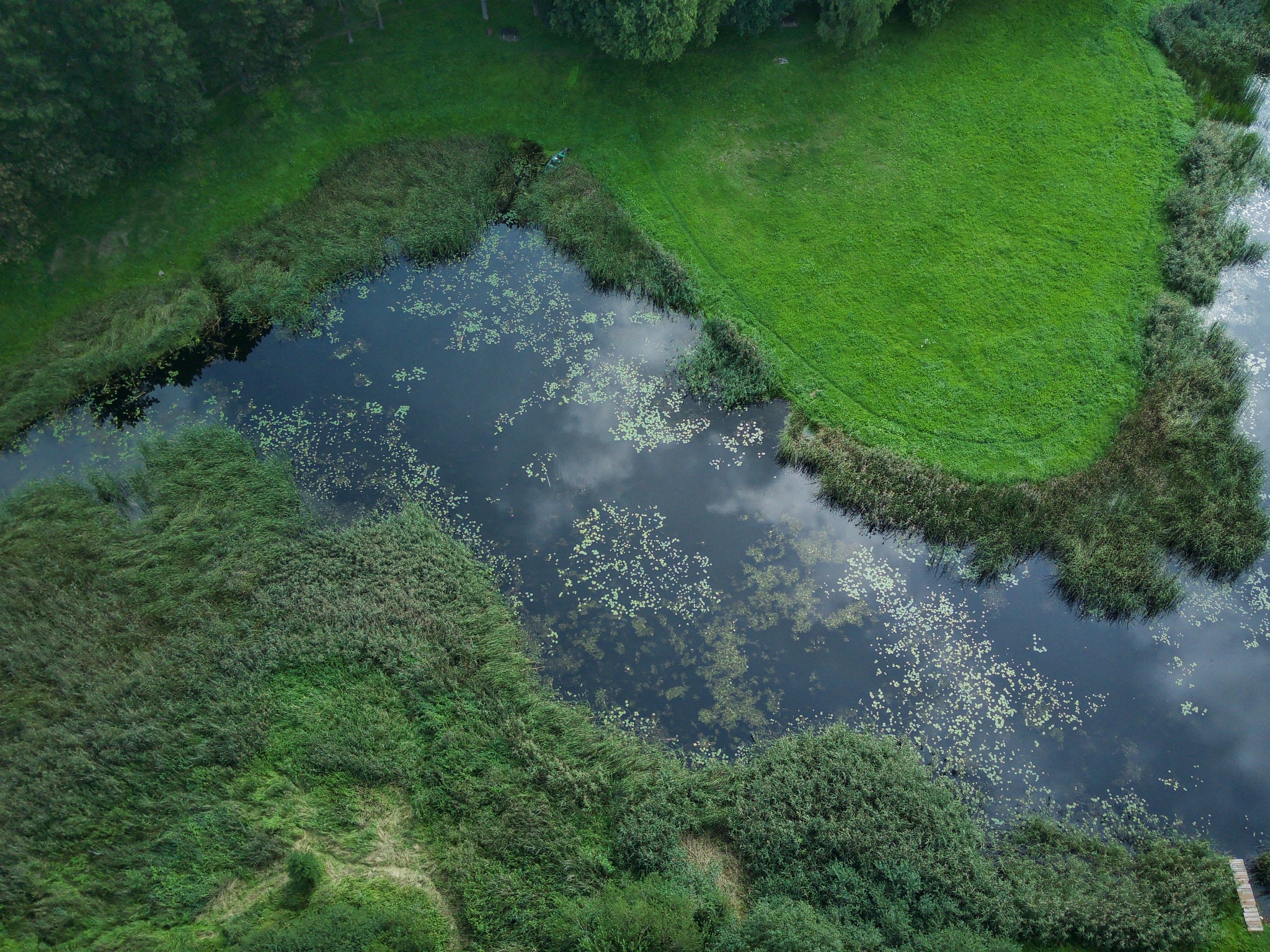
Constrcuted wetlands in small villages and perhaps farms
Biržai district, Lithuania
We are assessing the potential of the measure, i.e., constructed wetlands on application of the surface flow or sub-surface flow technology for wastewater treatment and identify suitable locations.
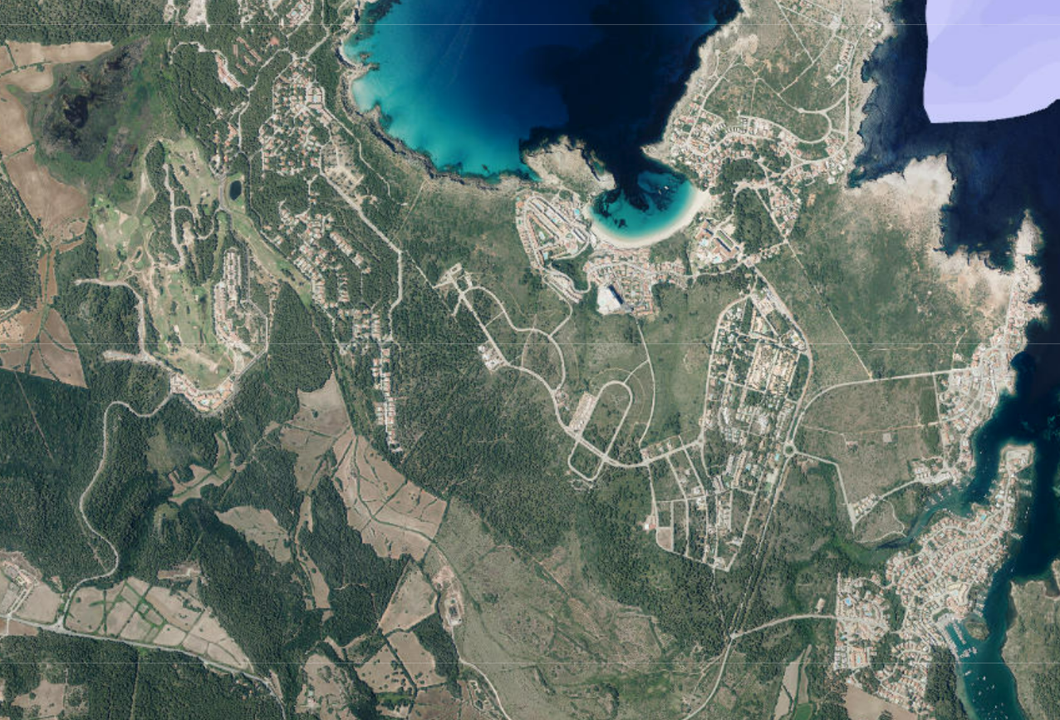
Managed Aquifer Recharge (MAR) with regenerated water for recovery of the groundwater body of Addaia (saline intrusion and overexploitation) and the associated wetland
Menorca, Balearic Islands, Western Mediterranean, Spain
Regenerated water from the waste-water treatment plant of Addaia is used for irrigation of the golf Son Parc Menorca. The objective is to use regenerated water surplus for recharging the aquifer through the wetland of Albufera des Mercadal or/and two small ponds in the golf course (located upstream of the wetland)
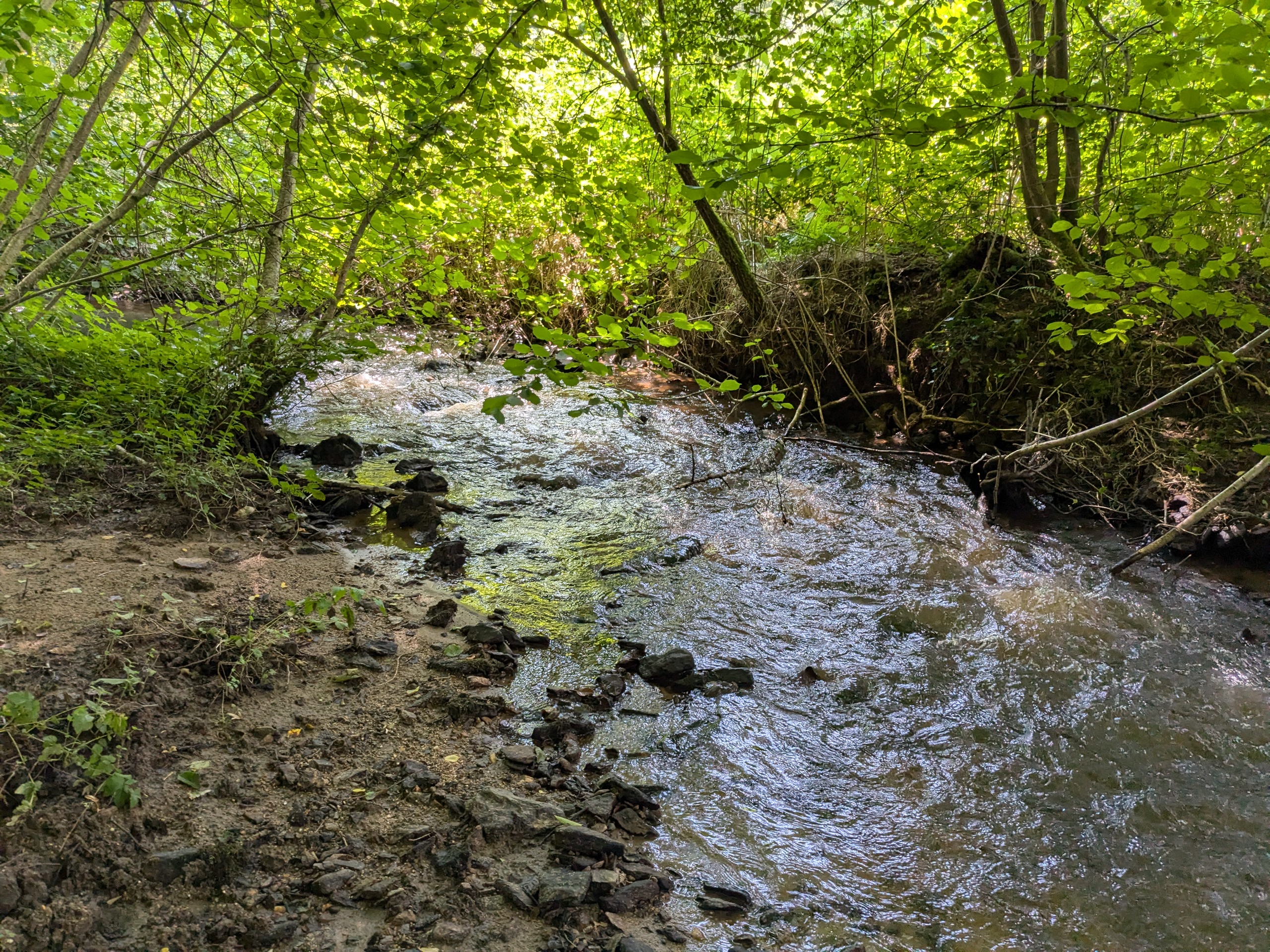
Restoration of aquatic ecosystems to increase their resilience do climate change
Grand Est Region
We are engaging local stakeholders to finance projects like riparian forest, wetland, and peatland restoration, or river re-meandering, aiming to improve biodiversity, water quality, flood control, and drought resilience.